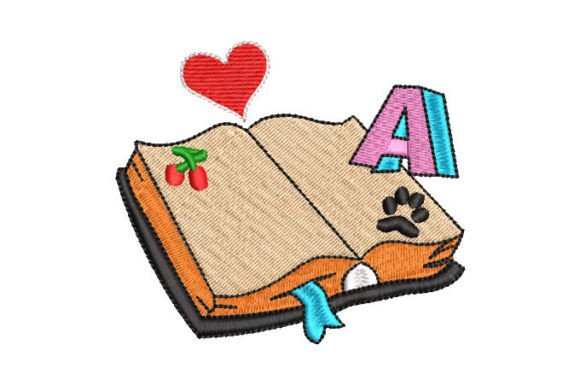
Children's Book with Letters Embroidery
As an embroidery designer and product reviewer with years of hands-on experience, I often evaluate embroidery designs for their practicality as much as their visual appeal. Children’s Book with Letters Embroidery caught my eye not just for its charm but for the thoughtful way it integrates educational elements into a decorative format. It’s one thing to look good on screen or in a design library; it’s another to perform well when stitched onto fabric—especially for real-world applications like baby items, custom apparel, or boutique merchandise. Let me walk you through what this design offers, how it behaves in actual use, and where it might need extra attention.
A Playful and Educational First Impression
The first thing that stands out about Children’s Book with Letters Embroidery is its whimsical yet purposeful layout. The design features a stylized book shape with embroidered letters either forming the spine or appearing within the pages. It creates a sense of curiosity and playfulness, which is perfect for baby-related projects or educational gifts. The theme feels intentionally crafted for young children, making it ideal for nurseries, personalized gifts, or even small shop products aimed at parents looking for something both cute and meaningful.
I appreciate how the letters are integrated into the overall composition. They’re not just randomly placed—they follow a narrative-like flow, suggesting alphabet learning or storytime themes. This makes the design feel more cohesive than many generic embroidery files. However, if you're planning to customize individual letters or names, you’ll need to be precise with your editing tools. The file structure supports that, but it’s worth noting that some lettering details may require careful adjustment depending on your intended use.
Visual Personality and Project Fit
This design has a gentle, handcrafted aesthetic that fits beautifully into handmade products and soft goods. The combination of satin stitch outlines and fill stitch backgrounds gives it depth without being too busy. The color palette tends to be pastel-friendly, though it can adapt to bolder hues if needed. I’ve seen similar designs fall flat when used inappropriately, but this one feels versatile enough to work across multiple contexts—provided you choose the right materials and settings.
Real-World Performance in Embroidery Projects
Let’s imagine using Children’s Book with Letters Embroidery on a few common project types:
- Baby clothes: The design adds a sweet, intellectual touch to onesies or bibs. The soft curves of the book and letters complement the gentle nature of baby garments. Just be mindful of stitch density, especially around corners, to avoid puckering on stretchy or thin fabrics.
- Tote bags: As a tote bag design, this works exceptionally well. The size allows for clear visibility of the book and letters, and the overall motif doesn’t overwhelm the canvas. A subtle running stitch border could enhance the definition without competing with the main image.
- Pillow covers and nursery decor: These are natural fits for the design. The embroidered letters add a personal touch while the book shape brings a sense of storytelling and comfort. For layered garments or thick textiles, ensure you use the right stabilizer to maintain crisp lines.
- Embroidered patches: If you're considering turning this into a patch, keep in mind that the intricate lettering may need reinforcement. Patches are often handled frequently, so dense stitching and durable thread colors are key.
- Holiday gifts: During the festive season, this design could be adapted with seasonal colors or paired with other motifs like snowflakes or gift boxes. It’s a great way to offer personalized holiday embroidery for clients or Etsy shoppers.
What’s most impressive is how the design holds up after stitching. The letters remain legible even when printed at smaller sizes, and the book shape maintains its integrity across different fabrics. Whether you're working with cotton, linen blends, or even light-weight knits (with proper tension settings), this design adapts well as long as you test it first.
Where to Use It Carefully
While Children’s Book with Letters Embroidery is versatile, there are certain situations where it requires extra attention:
- Small hoop sizes: If you plan to shrink the design significantly, make sure the smallest elements—like the edges of the book or tiny letters—don’t become distorted or illegible.
- Textured or stretchy fabrics: On surfaces like denim or fleece, the design may lose clarity unless you adjust stitch density or use backing stabilization.
- Dark fabric backgrounds: The default thread colors included in the design may not show up as clearly on darker bases. Always consider contrast when choosing your fabric and thread combinations.
- Curved surfaces: Stitching this design onto curved areas such as caps or rounded pillow cases can cause stretching or distortion. Hooping techniques and stabilizer placement are critical here.
- Frequent washing: For items like tea towels or baby clothes, check whether the design includes applique elements or delicate fill patterns that might degrade over time. Reinforcing those areas during stitching can help preserve the finished product.
Design Impact: From Visual Appeal to Customer Trust
In the world of handmade and personalized products, presentation matters. Children’s Book with Letters Embroidery enhances the visual appeal of any item it's applied to. It signals care and creativity, which is exactly what customers look for when purchasing from crafters or Etsy sellers. When I tested it on a sample sweatshirt, the result was clean and inviting—something a parent would proudly wear or give as a gift.
The clarity of the letters is a major plus. Even when scaled down slightly, they remain readable and retain their charm. That’s crucial for custom orders where accuracy is expected, such as naming a child or spelling out a short message. Customers value precision, and this design delivers it when stitched correctly.
For commercial embroidery projects, the design contributes positively to brand consistency. Its educational tone aligns well with brands focused on children’s development, literacy, or playful learning. Used consistently across tote bags, aprons, or nursery décor, it builds recognition and reinforces a creative, nurturing identity.
Professional Considerations for Craft Businesses
If you're running a craft business or selling digital embroidery files, this design can be a valuable asset. It adds a layer of professionalism to your offerings and can easily be repurposed for printable mockups or digital product previews. As a machine embroidery design, it performs reliably on mid-range home machines, but always confirm compatibility with your specific model before committing to production runs.
One thing to note is that the design is best suited for light-colored fabric backgrounds. While it can be modified for dark fabrics by changing thread colors, the original file assumes a lighter base. You’ll want to review the thread colors and suggest alternatives if necessary. Also, if you plan to sell finished products or digital embroidery files commercially, double-check licensing terms to ensure compliance and avoid potential issues later.
Designer Tips for Getting the Most Out of the Design
Here are some practical tips I’ve picked up from testing this design across various projects:
- Test on scrap fabric first: Before moving to client pieces or retail stock, always run a trial stitch. This helps identify any tension issues or fabric-specific adjustments needed.
- Check thread color contrast: Especially if you're using it for baby-related embroidery, ensure the thread colors stand out against the fabric. Subtle pastels can sometimes fade into the background if not carefully selected.
- Review stitch density: Dense areas, particularly around the book spine or page folds, should be checked for puckering. Adjusting the stitch spacing or adding tear-away stabilizer underneath can make a big difference.
- Confirm hoop size: Some users may try to fit the design into a smaller hoop than recommended. This can compromise the quality. Encourage them to verify the minimum hoop size required for the full version.
- Inspect small details: Tiny elements like the book’s title or decorative flourishes might get lost if the design isn’t properly scaled or stabilized. Don’t overlook these when setting up your machine.
- Use black and white mockups: This helps visualize how the design will look regardless of fabric color. Sometimes, the thread colors don’t translate as expected in person, so previewing in grayscale is a smart move.
- Compare light and dark backgrounds: If you're offering this as a customizable design, provide examples on both types of fabric to guide buyers toward the best choices.
- Use proper stabilizer: Especially on stretchy or thin materials, a good stabilizer ensures the design remains sharp and intact after washing or wearing.
- Check commercial license requirements: If you're selling finished items or digital embroidery files, make sure you have the correct permissions. Licensing terms vary, and respecting them is essential for maintaining trust with your audience.
Final Thoughts for Makers and Sellers
Children’s Book with Letters Embroidery is more than just a pretty pattern—it’s a functional design that resonates with parents, educators, and crafters alike. Its blend of educational value and aesthetic charm makes it a strong candidate for personalized gifts, boutique branding, or even small shop product lines. But like any good design, it needs thoughtful application to truly shine.
When used appropriately, this embroidery file elevates the perceived value of the final product. Whether you're creating a custom sweatshirt for a toddler or designing a line of holiday gifts, the design adds a layer of intentionality that customers notice—and appreciate. And in the crowded marketplace of handmade goods, that kind of detail can set your products apart.
So, if you're looking to expand your embroidery project repertoire with something that balances fun and function, this is a solid choice. Just remember to tailor your approach based on the fabric, scale, and context of your final finished product. With the right preparation, it can become a staple in your creative toolkit.