Cute Ghost and Pumpkin Embroidery Review for Craft Fair Success
First Impressions: A Festive, Handmade Charm
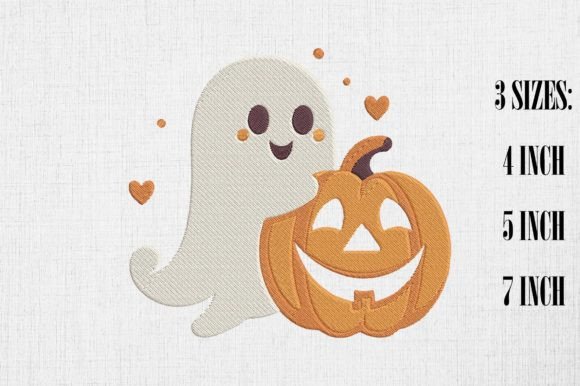
As an experienced embroidery designer with years of experience at craft fairs and in the handmade market, I always look for designs that immediately catch the eye while fitting into a variety of product styles. The Cute Ghost and Pumpkin Embroidery design brings a delightful mix of whimsy and seasonal appeal to any project. Its title and description suggest a playful, Halloween-inspired motif—perfect for fall-themed collections. From the moment you see it, the design exudes a soft, festive vibe. It’s not too spooky or ghoulish; instead, it leans into the charm of autumn and the cozy, farmhouse aesthetic that many customers love. This makes it ideal for craft fair products that need to stand out without being overwhelming. Whether displayed on a tote bag or a tea towel, the Cute Ghost and Pumpkin Embroidery feels approachable and inviting.Product Applications That Pop
When preparing for a weekend craft fair booth, it's crucial to have versatile design assets that can be applied across multiple product types. Here’s how the Cute Ghost and Pumpkin Embroidery performs:- Tote Bags: The design looks especially good on canvas or linen totes. As a focal point in the center or as a corner accent, it adds personality without cluttering the space.
- Aprons: A cute ghost and pumpkin combo is perfect for kitchen aprons. It’s festive but not too loud, making it suitable for both home cooks and collectors of decorative items.
- Tea Towels: This machine embroidery design works well on cotton kitchen towels. The imagery fits naturally into the domestic setting and appeals to those who enjoy adding character to their home decor.
- Embroidered Patches: Smaller versions of the design make great patches for backpacks, jackets, or denim. They’re easy to sew on and add instant charm to everyday wearables.
- Fabric Pouches & Pillow Covers: These are some of my favorite small shop products for displaying intricate embroidery. The Cute Ghost and Pumpkin Embroidery shines here, especially when stitched onto pastel-colored cotton fabrics.
- Market Bags & Caps: For curved surfaces like caps or rounded bags, you’ll want to test stitch alignment carefully. But if executed properly, the design adds a fun touch to reusable market bags and novelty hats.
What Customers Notice
I’ve found that customers are drawn to this kind of machine embroidery design because it feels personal and thoughtful—something they wouldn’t find in mass-produced goods. It also allows for creativity in color choices, which is a big selling point for handmade product lines.Design Performance on Products
One of the most important factors in choosing a design for your craft fair product line is how it translates from digital to physical. Let’s break down its performance on key items:Tote Bag Design: When using the Cute Ghost and Pumpkin Embroidery on totes, ensure you select a hoop size that accommodates the full design without stretching. On medium to large-sized bags, the design serves as a great centerpiece and photographs beautifully for online listings or social media.
Apron Embroidery: Placing the design near the pocket area of an apron gives it a functional and decorative role. The ghost and pumpkin elements feel like a conversation starter, especially during October sales windows.
Tea Towel Embroidery: The design works best in the upper corner or centered horizontally. Since tea towels are typically white or light-colored, thread contrast is key. Consider using bright orange for the pumpkin and gray or black for the ghost to maximize visibility.
Embroidered Patch: Smaller versions of the design work well as embroidered patches. Be mindful of tiny details, as they may become less defined at reduced sizes. Always stitch a sample first to ensure clarity.
Photography and Online Appeal
For Etsy sellers and digital embroidery file providers, visual presentation is everything. The Cute Ghost and Pumpkin Embroidery captures attention in photos due to its high-contrast shape and familiar symbols. When lighting and background are set correctly, it looks clean and professional—ideal for showcasing in printable mockups or on your website.Production Practicality for Small Shop Products
- Test on Scrap Fabric: Before stitching dozens of pieces, run a few tests. Check how the design interacts with different thread colors and fabric textures.
- Review Stitch Density: Dense areas may require more stabilizer, especially on stretchy or thin materials. If the design has overlapping stitches, adjust tension or consider layering techniques.
- Confirm Hoop Size: The product description doesn’t specify hoop requirements, so always verify that your design fits within the intended hoop dimensions. If unsure, scale slightly and check spacing.
- Use the Right Stabilizer: Textured towels or thick canvas may need additional backing to keep the design crisp and prevent puckering.
- Create a Mockup: Use a printable mockup to visualize the design on your final product before investing in production. This helps ensure consistency in your brand’s visual identity.
Visual Appeal and Customer Engagement
On display, the design adds a pop of personality to your booth. Grouping similar products (e.g., all fall-themed totes or aprons) with the same design creates a cohesive look that draws buyers in. It’s also a strong branding element if you’re curating a seasonal collection.Design Consistency and Booth Display Strength
Using the same embroidery file across various products helps build a signature style for your booth. Whether it’s a tea towel embroidery, a patch, or a market bag, the design remains consistent and recognizable. This is particularly helpful for boutique makers and creative entrepreneurs who want to offer a curated experience.Final Designer Notes and Careful-Use Advice
- Always compare fabric colors against the design before stitching. Dark backgrounds can mute the effect of subtle shading.
- Be careful with very small sizes. Tiny lettering or intricate parts may not hold up visually or stitch-wise.
- Check for dense stitch areas—these can cause puckering or require extra time and effort in production.
- If you're working with textured towels or thick canvas, stabilize accordingly to avoid distortion.
- Use a real-life mockup to assess how the design looks in context before committing to a full batch.