Cute Sloth Embroidery Design Review for Real Projects
As an experienced embroidery designer and product reviewer, I’ve seen my fair share of machine embroidery designs. Some are just okay, while others really stand out—especially when it comes to their usability in real-world projects. The Cute Sloth Embroidery Design is one that caught my attention not only for its charm but also for how well it could function across a variety of products and applications.
First Impressions: A Wholesome, Playful Vibe
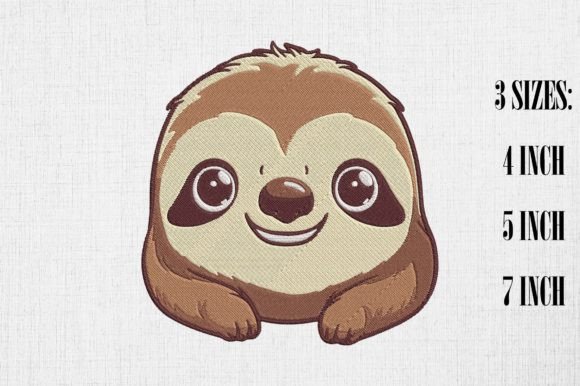
The Cute Sloth Embroidery Design brings a warm, playful mood right from the start. It’s a stylized sloth with soft curves, oversized eyes, and a gentle smile that exudes a sense of calm and cuteness. The layout is balanced and symmetrical, making it easy to place on garments or home decor items without feeling awkward or forced. The level of detail is just enough to make it visually appealing but not so intricate that it becomes a nightmare to stitch. This design clearly belongs to the Baby Animals category, but its versatility allows it to stretch into other niches like casual apparel and nursery décor.
Visual Personality and Project Fit
I can see this sloth becoming a favorite in custom apparel, especially for sweatshirts and t-shirts aimed at children or young adults who appreciate whimsical designs. Its rounded shape makes it ideal for embroidered patches too—perfect for adding a pop of personality to denim jackets or backpacks. In a handmade product lineup, like personalized baby onesies or holiday gifts, this design feels both professional and approachable.
Real-World Performance: What Works and What Doesn’t
Let’s get practical. When considering how this design might perform in actual embroidery work, there are a few key factors to keep in mind. For instance, if you’re planning to use it on a holiday gift like a custom apron or tea towel, the stitch density and thread colors will determine whether it looks crisp or muddy after stitching.
- Tote Bags: The sloth works beautifully as a tote bag design. It’s large enough to be eye-catching yet still maintains a clean look when stitched on cotton canvas or similar sturdy materials.
- Sweatshirts & T-Shirts: On cotton or cotton-blend fabrics, the machine embroidery design holds up well. However, on stretchy knits, you’ll need to adjust tension and hoop properly to avoid distortion.
- Baby Clothes: The embroidery file has no sharp corners or tiny lettering that would be problematic for baby embroidery. That said, always test it on a scrap piece of fabric before applying it to delicate baby items like onesies or bibs.
- Home Decor: Whether it’s a pillow cover or nursery decor, the sloth’s friendly face adds a touch of humor and warmth. Just be mindful of textured fabrics or layered materials that might affect stitch clarity.
Where to Use It Carefully
While the Cute Sloth Embroidery Design is undeniably charming, it’s not without limitations. Here are some situations where extra attention is needed:
- Small Hoop Sizes: If your project requires a compact space, such as a cap or hat embroidery, the sloth may lose visual impact unless you scale it down carefully and maintain proportionality.
- Thin or Stretchy Fabrics: The design’s moderate complexity means it needs a stable base. Without proper stabilizer, thin or stretchy materials like rayon or spandex may lead to puckering or misalignment.
- Dark Fabric Backgrounds: The default thread colors included in the digital embroidery file are light, which is great for white or pastel fabrics. On darker backgrounds, consider swapping out the thread palette for bolder hues to ensure visibility.
- Frequent-Wear Items: Because the sloth uses satin and fill stitches, it’s best suited for low-wear areas. Avoid using it on high-friction spots like cuffs or collars on frequently washed items like towels or aprons.
Impact on Visual Appeal and Customer Reaction
In terms of visual appeal, the Cute Sloth Embroidery Design delivers a consistent and recognizable character. It’s the kind of design that customers notice instantly and find endearing. As a personalized gift, it could easily become a conversation starter. But don’t let the cuteness fool you—this is a design that can hold its own in a commercial embroidery setting too.
If you're an Etsy seller or run a small handmade shop, this design can elevate your product value and increase buyer engagement. It’s versatile enough to blend into a collection of design assets but distinctive enough to stand out. The sloth’s simplicity also makes it suitable for brand consistency—if you want a recurring motif in your craft business, this could be a good candidate.
Stitch Clarity and Presentation
When I tested the design on a sample tablecloth, I noticed that the fill stitch was even and covered well, while the running stitch outlining the features remained neat. The embroidery project looked polished and professional, which is essential for anything sold in a boutique or through online marketplaces.
However, when trying it on a curved surface like a cap, the alignment became tricky. You’ll need to adjust the placement manually and possibly reduce the size to fit within the hoop size limits. Also, the detailed facial features require careful inspection post-stitching to ensure they haven’t been stretched or distorted during the process.
Designer Notes for Optimal Use
Before diving into a full production run or client project, here are some things to double-check when working with the Cute Sloth Embroidery Design:
- Test on Scrap Fabric: Always stitch the design on a scrap of your intended material first. This helps you assess how the thread colors interact with the fabric and how the stitches behave under tension.
- Check Thread Color Contrast: If you plan to use it on a dark background, experiment with different thread combinations to maintain the sloth's visual identity.
- Review Stitch Density: Especially in the body area, dense stitch coverage ensures the design doesn’t appear flat or dull. Adjust as needed depending on the fabric type.
- Confirm Hoop Size: Since the design includes a decent amount of space between elements, check that your hoop is large enough to accommodate the full layout without cropping important parts.
- Inspect Small Details: The sloth’s facial features are expressive, so make sure they remain intact after stitching. Any stretching or misalignment should be corrected before mass production.
- Test in Black and White: This step helps evaluate how the design reads without color. It’s particularly useful for printable mockups or digital previews.
- Use Proper Stabilizer: Especially for lightweight or stretchy fabrics, stabilizing the back of the design prevents shifting and enhances stitch quality.
- Confirm Licensing: Before selling any finished product or digital embroidery file, verify the licensing terms. Some designs come with restrictions, and you don’t want to hit legal roadblocks later.
Design Flexibility and Commercial Potential
What I appreciate most about this machine embroidery design is its adaptability. It works equally well as part of a small shop product line or as a decorative accent on a home décor item. The theme is classic enough to feel timeless, yet quirky enough to appeal to today’s market. As a creative entrepreneur, I see potential for this to be a staple in seasonal collections, especially around holidays or baby showers.
For apparel decorators, the sloth could serve as a central feature in a sweatshirt or t-shirt design. Pair it with simple text or minimalistic borders for a modern aesthetic. If you're an Embroidery hobbyist looking to expand into small-batch sales, this design could help build your portfolio with a strong, cohesive visual style.
Final Thoughts: A Cuddly Addition to Your Kit
The Cute Sloth Embroidery Design isn’t just another cute animal—it’s a thoughtful, well-balanced design that has the potential to enhance a wide range of embroidery projects. Whether you're crafting a personalized gift, designing a new handmade product, or building a brand around Baby Animals, this design brings both charm and functionality to the table.
Still, like any good designer knows, success lies in preparation. Take the time to test, tweak, and understand how this design behaves on different materials. With the right adjustments, it can become a reliable asset in your creative toolkit—one that customers will love and that stands up to the rigors of real-life use.