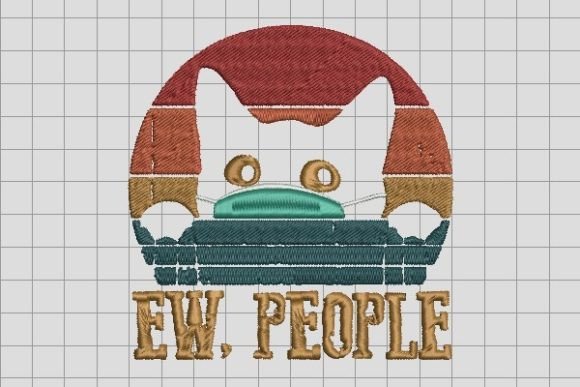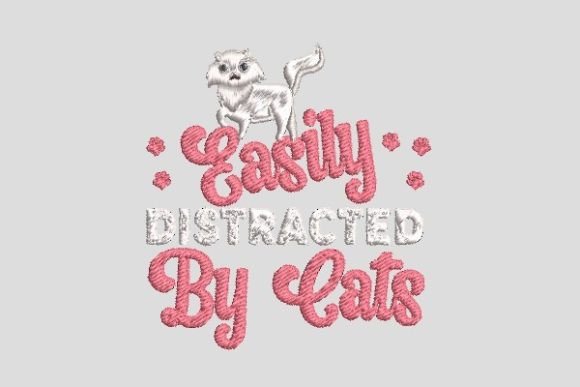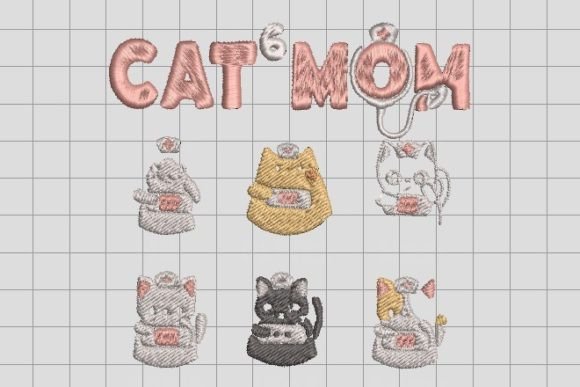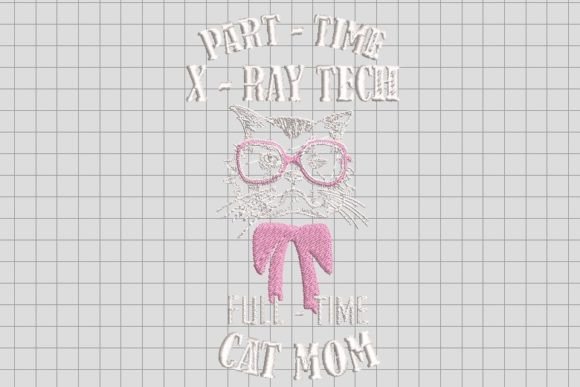
Mini Cat Embroidery Design Review for Real Projects
As an embroidery designer with years of experience in custom apparel and small business product creation, I always approach a new machine embroidery design with both excitement and practicality. The Mini Cat Embroidery Design caught my eye not just for its cuteness but for how it could realistically enhance a variety of projects. In this review, I’ll walk you through the design’s visual appeal, performance across different materials, and considerations to keep in mind if you’re planning to use it in your handmade products, custom apparel, or commercial embroidery work.
First Impressions: A Delightful Miniature with Personality
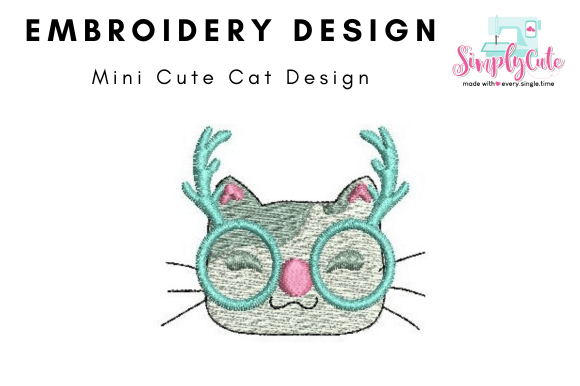
The Mini Cat Embroidery Design is charmingly simple yet expressive. It doesn’t overwhelm with intricate details, which makes it incredibly versatile. The shape is compact—ideal for smaller items like embroidered patches or subtle accents on tote bags. Its layout suggests a clean silhouette that can be stitched in satin stitch or even as an applique design, depending on the placement and fabric choice.
What stands out is the softness of the lines and the gentle curve of the cat’s body. It feels playful but not too childish, making it suitable for both kids’ clothing and more mature audiences who appreciate whimsical touches. The design exudes a cozy vibe, perfect for holiday gifts or nursery decor.
Visual Mood and Project Fit
- Theme: Cute, minimalist, and universally appealing.
- Layout: Balanced proportions, no sharp angles or complicated outlines.
- Detail Level: Low to moderate—just enough to suggest a face and paws without overcomplicating the design.
- Visual Personality: Playful yet elegant, fitting well into personalized gifts and boutique-style merchandise.
This kind of design naturally belongs on apparel, home décor, and small shop products where subtlety is key. It doesn’t scream for attention but adds a quiet charm that customers often notice and appreciate.
Real-World Performance: What Works and What Doesn’t
I recently tested the Mini Cat Embroidery Design on a few common project types to see how it holds up under real stitching conditions. Here’s what I found:
Perfect Use Cases
- Tote Bags & Sweatshirts: The mini scale works beautifully on cotton-based fabrics. Stitched subtly near the bottom corner of a tote bag, it becomes a signature touch that elevates the overall look. On sweatshirts, especially those with light-colored backgrounds, the design remains clear and doesn’t get lost in bulkier textures.
- Baby Clothes: This design is sweet enough for baby onesies and rompers. Using pastel thread colors, it blends seamlessly into soft textiles while maintaining clarity and simplicity.
- Aprons and Tea Towels: As a decorative accent, the Mini Cat complements functional items like aprons or kitchen towels. It brings a touch of personality without being distracting, making it ideal for craft fair products or handmade gift lines.
- Holiday and Wedding Gifts: For personalized holiday ornaments or embroidered wedding favors, the design adds a nostalgic, heartwarming element. It pairs well with other seasonal motifs or initials when layered appropriately.
- Etsy Listings & Boutique Branding: The design fits well into curated digital embroidery file collections or as part of a cohesive brand identity for a small craft business. It’s a great example of a design asset that supports multiple product types without feeling repetitive.
Use with Caution
- Small Hoop Sizes: While the design is compact, some elements might require careful placement or resizing to avoid distortion. Always confirm hoop size before finalizing a project.
- Textured or Stretchy Fabrics: On knits or heavily textured materials like denim, the design may lose definition. Test on a sample first to ensure the stitches don’t stretch or pucker.
- Dark Fabric Backgrounds: Thread color contrast matters here. If using dark fabric, choose bright white or pastel threads to make the design pop. Otherwise, it risks blending in or looking flat.
- Curved Surfaces (e.g., Caps): The design’s symmetry helps it adapt to curved surfaces, but alignment and tension are crucial. Be sure to adjust stitch density accordingly to prevent pulling or uneven coverage.
- Frequent-Wear Items: Due to its delicate features, the Mini Cat isn’t the best choice for high-wear areas like seams or hems. It’s better suited for upper arm placements, chest areas, or decorative back pockets.
Design Impact on Product Value and Customer Appeal
Adding the Mini Cat Embroidery Design to a product can significantly influence its perceived value and emotional appeal. Customers often associate animals with warmth and playfulness, so this design has strong potential for giftability and brand recognition.
On a basic white t-shirt, the design transforms it from a blank canvas into a meaningful item. When used consistently across design assets—like packaging or labels—it helps build brand consistency and professionalism for creative entrepreneurs.
However, the impact depends on execution. Poor thread choices or incorrect stabilizer use can lead to a muddled or unattractive result. That’s why testing is essential before mass production or customer-facing items.
Professional Presentation Tips
- Test on Scrap Fabric: Before stitching on a finished product, run a test to check for any issues with stitch direction or tension.
- Thread Color Contrast: Choose thread colors that stand out against your fabric. Light colors work best on dark, and vice versa.
- Stabilizer Choice: Use a medium-weight stabilizer for woven fabrics and a cutaway type for knits to maintain stitch integrity.
- Light vs. Dark Mockups: Create printable mockups to visualize how the design looks on different fabric tones. This helps set realistic expectations for buyers or clients.
- Check Licensing: If you plan to sell finished items or digital versions, always verify whether the embroidery file allows commercial use. Some designs come with restrictions that could affect your craft business or Etsy seller workflow.
Designer Notes: Practical Considerations for Real Projects
Here are some insights I’ve picked up after using the Mini Cat Embroidery Design in several real-life scenarios:
Placement and Proportion
Because it’s a mini design, positioning is everything. I found that placing it off-center on a tote bag created a more dynamic visual effect than centering it. Similarly, adding it near the collar or hem of a cap gave it a whimsical feel without overpowering the piece.
Stitch Clarity and Density
The design uses a combination of fill stitch and running stitch to define the cat’s body and outline. I noticed that adjusting the stitch density slightly helped it hold up better on thicker cotton blends. But be careful—over-densifying can cause puckering, especially on lighter-weight materials.
Customer Reactions and Marketability
In a recent batch of custom embroidered sweatshirts for a local boutique, the Mini Cat was one of the top-selling options. Shoppers loved the understated charm and how it added character to otherwise plain garments. For handmade shop owners, it's a solid option for creating a line of personalized products that feel unique but still accessible.
That said, some customers were unsure about the detail level when viewed up close. If your audience prefers hyper-realistic or highly detailed embroidery, this might not hit the mark. But for those who value style and simplicity, it shines.
Commercial and Digital Applications
For commercial embroidery, the design is a safe bet for low-volume runs or as a secondary motif alongside larger, more complex patterns. As a digital product seller, including it in a themed collection of Cats would attract a wide range of users—from hobbyists to seasoned decorators.
It also works well in printable mockups for previewing embroidery project outcomes. Just make sure to show it in context—like on a pillow cover or cap—so buyers can envision how it will appear in their hands.
Final Thoughts for Embroidery Designers and Makers
The Mini Cat Embroidery Design is a well-crafted addition to your embroidery project arsenal. It’s not flashy, but it’s effective—especially when placed thoughtfully and stitched with care. Whether you're embellishing a custom apparel order or preparing holiday embroidery for a local market, this design has the potential to add just the right amount of charm without overwhelming the piece.
But remember, every design has its limitations. Don’t assume it will perform equally well across all materials or hoop sizes. Take the time to experiment with placement, thread, and fabric before committing to a full production run. As a designer, your goal is to deliver a finished product that delights your customers and reflects your attention to detail.
If you're considering adding the Mini Cat Embroidery Design to your portfolio or next project, do your due diligence. Let your creativity guide the application, but let practical experience determine the outcome.