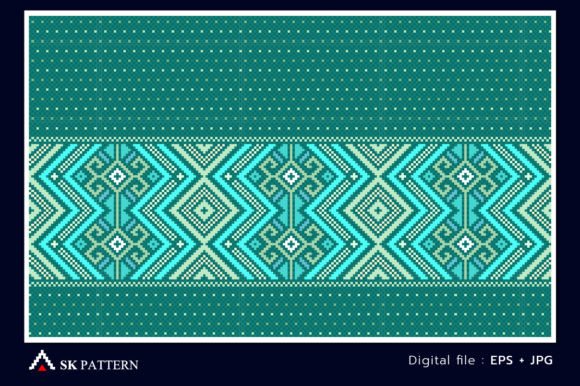
Pixel Ethnic Pattern Embroidery Jacquard Review for Business Use
As an experienced embroidery designer with years of working on small business branding and custom apparel projects, I always approach a new machine embroidery design with a critical eye. The goal isn’t just to make something look good—it’s about ensuring it adds value to the brand, works well across various products, and maintains consistency in the finished product. Today, I’m reviewing the Pixel Ethnic Pattern Embroidery Jacquard, a versatile digital embroidery file that could fit into several categories including patterns and graphics.
First Impressions: A Design That Feels Both Handmade and Modern
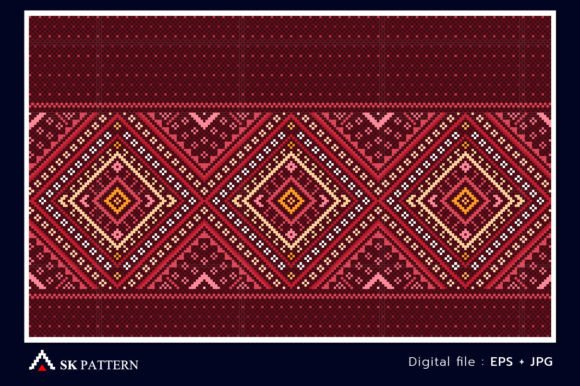
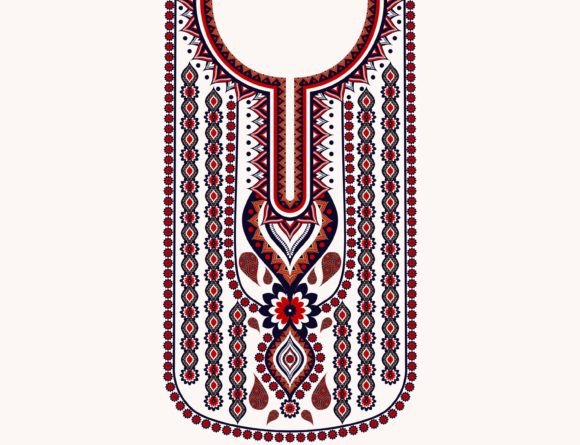
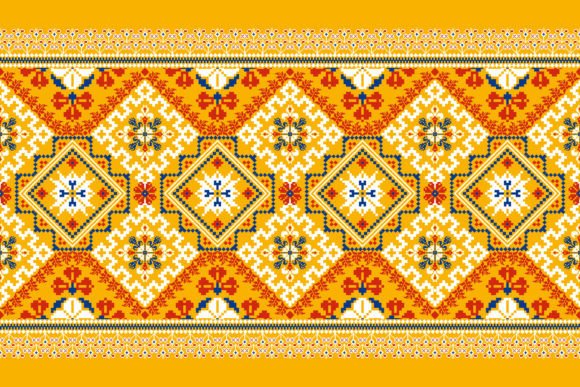
The name “Pixel Ethnic Pattern Embroidery Jacquard” immediately suggests a blend of traditional and contemporary elements. My first impression is one of curiosity—how will this pattern translate into real-world embroidered applications? Upon viewing the design, I notice a strong visual balance between the pixel-like structure and ethnic motifs, creating a look that is both premium and playful. It feels like a modern reinterpretation of classic patterns, which makes it appealing for businesses looking to stand out while still maintaining a sense of elegance and authenticity.
This embroidery file doesn’t scream loud or come off as overly commercial. Instead, it offers a subtle yet distinctive presence, making it ideal for brand identity purposes. The design has enough detail to be memorable but not so much that it becomes overwhelming when applied to merchandise like caps or tote bags.
Real-World Applications for Small Businesses
Let’s break down how this design might perform in actual business use. Here are some common scenarios where Pixel Ethnic Pattern Embroidery Jacquard can shine:
- Embroidered patches: This pattern can serve as a great background for a patch, especially if you plan to add a logo or text over it. Its intricate nature gives depth without overpowering other elements.
- Staff uniforms: When used as a chest accent or sleeve detail, the design adds a unique touch without being too flashy. It works particularly well on light-colored shirts or jackets.
- Apron embroidery: For boutique coffee shops or bakeries, this pattern can elevate the appearance of aprons, giving them a professional and artistic flair.
- Cap embroidery: The pattern is suitable for back-of-cap designs or side accents. However, due to its complexity, it should be tested at smaller sizes before committing to mass production.
- Tote bag design: Used as a repeating pattern or a centered motif, it can transform a simple tote into a branded statement piece.
- Work shirts and event merch: Whether for daily wear or promotional events, the design brings a sense of creativity and craftsmanship to the table.
- Product packaging accents: If your business sells handmade products, consider using this pattern subtly on gift wrapping or labels to enhance visual consistency and perceived quality.
What I appreciate most is that it doesn’t feel generic. It brings a handmade presentation to digital assets, which is perfect for Etsy sellers, local cafés, or any small business merch project aiming for uniqueness and charm.
Where Caution Is Needed: Stitch Density and Fabric Texture
While the Pixel Ethnic Pattern Embroidery Jacquard is visually rich, there are specific areas where it requires careful handling:
- Small patch sizes: Due to the detailed nature of the pattern, reducing it too much can cause loss of clarity and impact. Always test at intended size.
- Cap fronts and curved surfaces: High stitch density might lead to puckering or distortion. Opt for placement on flatter parts of caps or similar items.
- Textured fabric: The pattern’s fine lines may not show up clearly on thick or uneven materials. Smooth cotton or polyester blends tend to work best.
- Dark uniforms: Thread color contrast is crucial. Light thread colors on dark backgrounds might not hold up well under multiple washes or prolonged exposure.
- Frequent washing: Designs with high stitch density or tight spacing can lose their definition after repeated laundering. Consider fabric type and maintenance needs before finalizing the design choice.
These limitations don’t diminish the design’s potential—they simply highlight the need for thoughtful application depending on the product and context.
Impact on Brand Identity and Customer Engagement
When evaluating a design for brand identity, I look at how it conveys professionalism and personality. The Pixel Ethnic Pattern Embroidery Jacquard strikes a nice balance between modern and classic, which means it can adapt to various brand aesthetics. It’s especially fitting for businesses in creative fields like art studios, fashion boutiques, or wellness brands seeking a handmade product vibe.
Using this pattern consistently across custom apparel and product labels can help reinforce visual consistency, which builds customer trust and recognition. Imagine seeing this pattern on a café apron, a tote bag, and even a wall hanging—each item feels connected through design, enhancing the overall brand experience.
Moreover, the pixel ethnic aesthetic introduces a sense of playfulness and cultural richness, which can engage customers who value individuality and artisanal touches. In today’s market, standing out matters, and this design helps create a memorable impression.
Designer Notes for Successful Implementation
Before applying Pixel Ethnic Pattern Embroidery Jacquard to your next project, here are some practical steps I recommend:
- Test in black and white: This will help you assess how the pattern holds its shape and detail without color distractions.
- Check small patch size compatibility: Scale it down and run a test stitch to ensure the details remain clear and impactful.
- Review thread color contrast: Especially important for dark fabrics or small placements. Choose threads that pop without clashing.
- Inspect spacing and flow: Look for tight clusters of stitches that might cause tension issues during embroidery.
- Confirm hoop size: Depending on the design dimensions, you may need a larger hoop than usual. Check the file specs if available.
- Use proper stabilizer: To prevent shifting or puckering, especially on stretchy or thin fabrics.
- Create a printable mockup: Before approving for production, show the client a visual of how the pattern will appear on their chosen item.
- Compare beside other design assets: Ensure it complements existing logos, fonts, or graphics without overshadowing them.
- Confirm commercial licensing: Always verify that the digital embroidery file allows for business use, especially when planning large-scale runs.
Conclusion: A Versatile Design for Thoughtful Branding
The Pixel Ethnic Pattern Embroidery Jacquard is more than just another decorative design—it’s a tool that can enhance brand identity and bring a touch of sophistication to small business merch. From embroidered patches to commercial embroidery projects, this pattern demonstrates flexibility and style. However, its success depends on careful planning and testing, especially when considering placement, scale, and fabric type.
If you're an embroidery shop owner, an apparel decorator, or someone crafting custom designs for a boutique or café, this pattern deserves a place in your collection. Just remember to treat it with the same attention to detail as any other design asset—because ultimately, it's the quality of execution that defines the product value and buyer engagement.
In short, Pixel Ethnic Pattern Embroidery Jacquard offers a fresh take on ethnic-inspired patterns, blending tradition with modernity in a way that supports craft business assets and strengthens your brand’s visual language.