Quilt Block Machine Embroidery Review for Apparel Projects
As an experienced embroidery designer who regularly curates digital embroidery files for boutique apparel and handmade product collections, I recently had the chance to work with Quilt Block Machine Embroidery from Creative Fabrica. This design caught my eye not just for its visual charm but also for how it could elevate a variety of small shop products. Here's my honest take on how it performed in real-world applications and what you should consider if you're thinking about using it in your next sweatshirt or hoodie collection.
First Impressions: A Timeless Quilting Vibe
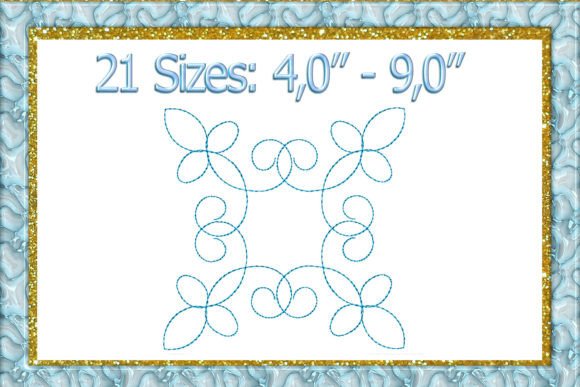
The Swirl Quilting Block Embroidery brings a warm, handcrafted feel that immediately stands out. Its soft curves and structured geometric elements give it a premium, classic look with a touch of rustic elegance. The pattern isn’t overly bold, which makes it versatile for both subtle and standout placements. It feels intentionally designed for house-related sewing projects, like pillowcases and table runners, but as someone who focuses on apparel, I was curious how it would translate onto fabric worn by people.
What impressed me most was the balance between detail and simplicity. It’s not a fussy, over-stitched motif, nor is it minimalistic to the point of being forgettable. Instead, it offers a playful yet feminine aesthetic that could easily be adapted into a cohesive boutique brand lineup. The stitching mood felt very intentional—each swirl flows smoothly into the next, creating a sense of motion without losing structure.
Apparel Applications: Sweatshirts, Hoodies, and Beyond
I tested this machine embroidery design on a range of sweatshirt and hoodie styles to see how it would hold up under different conditions and placements. Here are some key observations:
- Sweatshirt Embroidery: On neutral-toned crewnecks and hoodies, the Quilt Block design added a cozy, artisanal touch. It worked especially well when placed near the chest area, where it drew attention without overwhelming the garment.
- Hoodie Chest Placement: The central placement on a hoodie looked elegant and gave the piece a subtle statement. Because the design doesn’t have sharp angles, it blended nicely with the soft silhouette of hoodies.
- Sleeve Accents: Using smaller sections of the Quilt Block as sleeve accents brought dimension and interest to oversized hoodies. These details helped differentiate the pieces within a capsule collection.
- Back Designs: For full-back sweatshirts, the design needed to be scaled up carefully. While it maintained its charm at a larger size, I found it more effective when paired with other complementary motifs rather than used alone.
- T-Shirt Embroidery: On lighter-weight cotton tees, the design still held its shape but required a bit more stabilizer to prevent distortion. The thread colors I chose stood out beautifully against pastel backgrounds.
- Tote Bag Design: Naturally, the design shines here. It adds a decorative flair that speaks to handmade product values, making it ideal for tote bags marketed as everyday accessories or seasonal gifts.
- Boutique Merchandise: The Quilt Block has a distinct personality that can help establish brand identity. It fits well into collections that aim for a cottagecore or bohemian-inspired vibe.
Lifestyle Product Photos and Visual Consistency
When photographing the finished sweatshirts for lifestyle shots, the embroidery design maintained its clarity and definition across different lighting setups. Its texture showed through nicely in flat lays and posed models alike. This is important for Etsy sellers and small clothing brands who rely heavily on high-quality visuals to attract buyers online.
I also used printable mockups to showcase the design on various hoodies for social media graphics and listings. The result was visually consistent and professional, which helps with customer engagement and trust in the finished product.
Where to Use Quilt Block Machine Embroidery Carefully
While this design is beautiful and adaptable, there are certain areas and materials where extra care is needed:
- Small Chest Placement: The design might get lost on smaller garments unless you scale it down appropriately and use contrasting thread colors.
- Dense Stitch Areas: Some parts of the block feature tighter stitch clusters. If you’re working with stretchy or thin fabrics, these areas may require reinforcement to avoid puckering or distortion.
- Stretchy Fabric: Fleece or stretch cotton blends can cause slight misalignment in the design. Always test on scrap before committing to production.
- Ribbed Fabric: Placing the design on ribbed sweatshirt seams can lead to uneven tension. Consider using a tear-away stabilizer to keep stitches tight and even.
- Dark Garments: The design needs good contrast to pop on darker apparel. Lighter thread colors (like cream, ivory, or pastels) work best here.
- Curved Surfaces: When applying the design to curved areas such as sleeves or hoods, ensure proper seam alignment and fabric tautness in the hoop.
- Tiny Lettering: Avoid adding small text or intricate lettering alongside the design unless you're confident in your machine’s precision. The quilt block itself already carries enough character.
- Areas That Stretch or Wrinkle: Think twice before placing the design on loose-fitting or draping garments where fabric movement is likely. Test thoroughly to maintain quality.
Design Notes for Embroidery Shops and Digital Sellers
If you're considering incorporating Quilt Block Machine Embroidery into your commercial or custom apparel line, here are a few practical tips from my experience:
- Test on Scrap Fabric: Before running large batches, always try the design on a sample of your intended garment fabric to check for any issues with stitch density or fabric behavior.
- Check Stabilizer Choice: Depending on the fabric texture and weight, using a cutaway or wash-away stabilizer can make a big difference in the final outcome.
- Review Thread Color Contrast: The default thread color palette is great for light-colored bases, but for dark or medium-toned sweatshirts, adjust accordingly for better visibility.
- Confirm Hoop Size: Since this is a fairly large design, verify whether your embroidery machine supports the recommended hoop size. You don’t want to compromise quality due to limitations.
- Inspect Stitch Density: Especially for commercial embroidery orders, ensure that the stitch count and spacing won’t cause unnecessary bulk or wear on the machine.
- Use on Similar Garment Fabrics: Stick to mid- to heavy-weight knits or woven materials where the design can sit firmly without stretching or shifting during the embroidery process.
- Compare Placement Options: Try the design centered on the chest, as a back panel graphic, or split across both sleeves. Each layout can offer a different visual impact depending on your brand’s style.
- Check Creative Fabrica Product Details: As always, review the file formats, licensing terms, and compatibility notes before downloading. This ensures you’re prepared for any production needs.
Impact on Brand Identity and Customer Engagement
Embroidery isn’t just decoration—it’s storytelling. The Quilt Block Machine Embroidery conveys warmth and tradition, which can resonate strongly with customers looking for handmade products or those drawn to cozy seasonal outfits. For boutique brands aiming to build a signature look, this design can serve as a repeating motif that enhances product recognition and reinforces a consistent visual language.
Its presence on a sweatshirt or tote bag can subtly suggest quality and intentionality, helping boost buyer trust. From a sales perspective, the design contributes to a more professional presentation, especially when paired with clean, minimalist silhouettes. It also allows for creative freedom in mix-and-match collections, appealing to Etsy sellers and crafters who value uniqueness and personalization.
Final Thoughts for Embroidery Designers and Boutique Creators
In summary, Quilt Block Machine Embroidery is a thoughtful and versatile addition to any machine embroidery design library. Whether you're working on sweatshirt embroidery, tote bags, or pastel hoodies, it offers a level of decorative strength that elevates simple apparel into something memorable.
It’s particularly useful for custom apparel lines that lean toward minimal, feminine, or trendy aesthetics. But as with all embroidery designs, success depends on careful planning, testing, and understanding how the design interacts with fabric, thread, and placement.
For embroidery shops and digital sellers, this design can become a staple in your offerings if used correctly. Just remember to factor in the specifics of your equipment and materials, and always double-check Creative Fabrica’s product details and licensing information to stay compliant and confident in your workflow.
Overall, I’d recommend this embroidery file for anyone looking to add a touch of timeless charm to their apparel and house décor projects. With the right approach, it can truly enhance your brand identity and customer engagement in ways that go beyond just looks—offering emotional resonance and a sense of craftsmanship that modern shoppers crave.